
FAQs
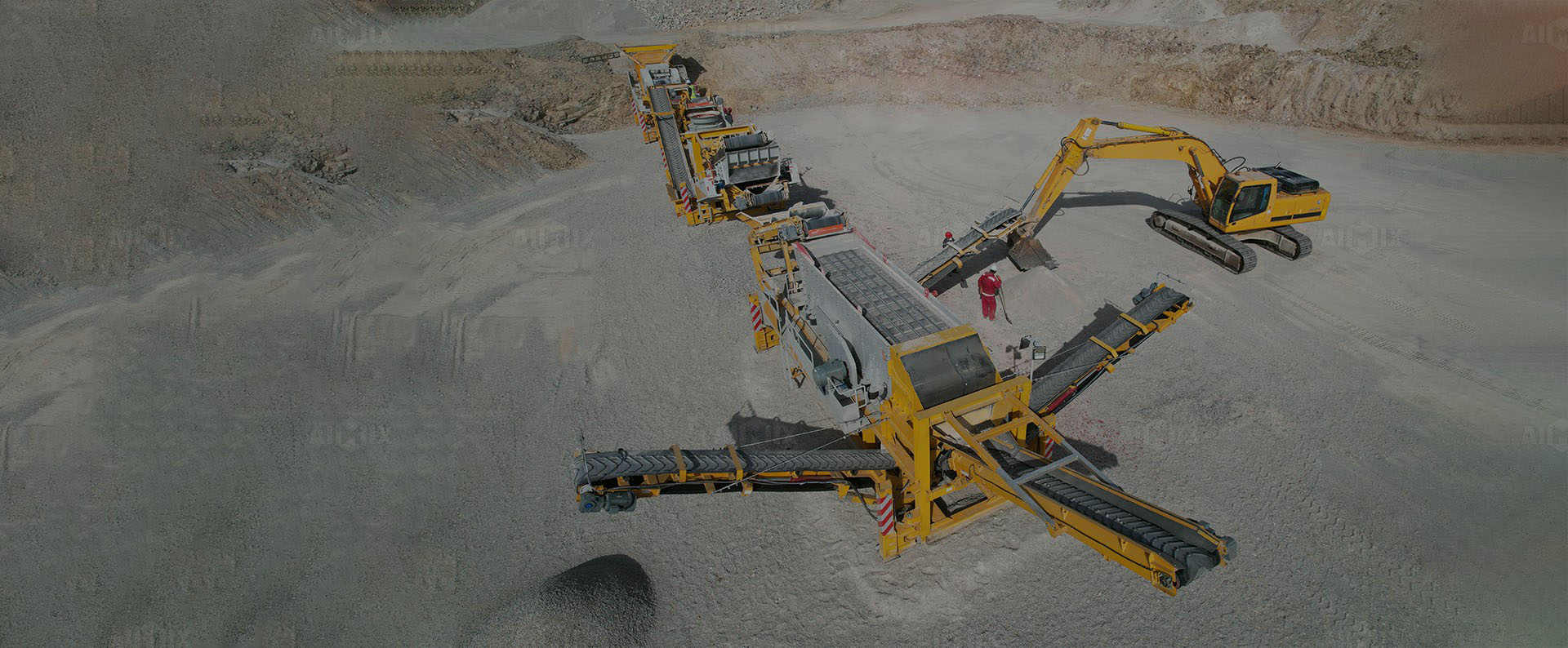
Mobile Crushing Plant
What types of raw materials are suitable for the mobile crushing plant?
- Rock: Limestone, Granite, Marble, Basalt, etc.
- Ore: Copper Ore, Iron ore, etc.
- Construction Wastes: Concrete Wastes, Bricks Wastes, etc.
- Stone: River Pebbles, Shale, Coal, Pebbles, etc.
What are the specific output size ranges that can be achieved?
Can I visit your crushing plant on site to know more about the crushing and operation condition of the equipment?
Absolutely, we can arrange a site tour of our nearest crushing plant project site upon your request.
Can the crushing plant be customized according to my project?
Absolutely. Contact GMG today and receive your customized crushing solution.
Can I visit your factory in China?
We sincerely invite you to tour our factory in China. Please get in touch with GMG beforehand to schedule your visit.
Track-Mounted Impact Crusher
Why should I choose an impact crusher over a cone crusher for secondary processing?
Choose an impact crusher if you are working with soft to medium rock (like limestone) or recycling materials and need a high reduction ratio with a perfectly cubical shape. Choose a cone crusher if you are working with highly abrasive, hard materials like granite or basalt, as cone liners tolerate high silica contents much better than impact blowbars.
How does the machine handle heavy rebar and iron inside demolition concrete blocks?
The concrete blocks enter the impact chamber where the high-speed blowbars shatter the concrete clean away from the metal. The freed rebar passes under a specialized rubber deflector plate that straightens the metal out before it lands on the product belt, where a powerful over-belt magnet extracts it cleanly into a separate scrap pile.
How often do the blowbars need to be turned or replaced?
This depends heavily on material hardness and cleanliness. When processing clean limestone, a set of blowbars can often process 20,000 to 40,000 tons before turning. When crushing highly contaminated urban demolition waste or concrete with high silica content, blowbars may need to be flipped or replaced every 10,000 to 15,000 tons to maintain cutting efficiency.
What materials can a track-mounted mobile impact crusher process?
It is suitable for many medium-hard and softer materials, including limestone, concrete, asphalt, and selected construction and demolition waste. The suitability of highly abrasive or exceptionally hard rock should be evaluated before equipment selection.
What are the advantages of an impact crusher for aggregate production?
An impact crusher can produce well-shaped, cubical aggregates and achieve a high reduction ratio. It is often selected for applications where particle shape and the production of finished aggregates are important.
Can a mobile impact crusher be used for construction waste recycling?
Yes. It can process suitable concrete rubble, masonry, and other selected demolition materials. Depending on the project, magnetic separators, screening units, and dust suppression systems can be incorporated into the configuration.
How do I control the final product size of a mobile impact crusher?
Final product size is influenced by rotor speed, crusher settings, feed characteristics, and screening arrangements. A properly designed crushing and screening circuit helps maintain the required product grading.
How do I reduce wear costs when operating an impact crusher?
Select the crusher according to the material’s hardness and abrasiveness, maintain consistent feeding, inspect blow bars and liners regularly, and use suitable wear materials. Proper operating settings can also help reduce unnecessary wear and downtime.
Track-Mounted Cone Crusher
Why is "choke feeding" so important for a track-mounted cone crusher?
Choke feeding means keeping the crushing chamber completely full of material. When the cavity is full, rocks crush against other rocks (inter-particle crushing), which creates a premium cubical shape. If the machine is under-fed, rocks strike the steel liners directly, resulting in flaky, elongated products and uneven liner wear.
What happens if a piece of uncrushable steel or an excavator tooth enters the cone?
Our track-mounted cone crushers feature an automated hydraulic tramp release system. When pressure spikes due to uncrushable material, the hydraulic cylinders instantly drop the bowl to let the metal piece pass safely out of the chamber, then return the mantle to your exact previous setting automatically.
How long do the mantle and concave liners last when crushing hard granite?
Liner life depends heavily on the rock’s moisture content and silica percentage. Generally, when processing highly abrasive granite or quartz, liners require replacement every 600 to 1,200 operating hours. The integrated automated control panel tracks wear metrics to help you plan maintenance ahead of time.
What materials are suitable for a track-mounted cone crusher?
A track-mounted cone crusher is ideal for medium-hard to hard and abrasive materials, including granite, basalt, and other hard rock. It is commonly used for secondary and tertiary crushing in mining and aggregate production.
What final product sizes can a track-mounted cone crusher produce?
The final product size depends on the cone crusher model, closed-side setting, feed characteristics, and crushing circuit. We can select the appropriate configuration according to your required aggregate sizes and grading specifications.
Can a track-mounted cone crusher be used for secondary and tertiary crushing?
Yes. It is commonly used after primary crushing to reduce material to smaller sizes and produce well-graded aggregates. For demanding applications, it can be integrated with screening equipment and a return conveyor for closed-circuit crushing.
How do I choose between a cone crusher and an impact crusher?
A cone crusher is generally better suited to hard, abrasive rock and applications where wear costs are important. An impact crusher may be preferable for softer materials or when a more cubical product shape is required. The best choice depends on your feed material and production objectives.
What maintenance is required for a track-mounted cone crusher?
Routine maintenance typically includes checking lubrication and hydraulic systems, inspecting wear parts, monitoring crusher settings, and checking conveyor components. The exact maintenance schedule should follow the manufacturer’s operating manual and the actual working conditions.
Track-Mounted Mobile Crusher
What materials can a track-mounted mobile crusher process?
A track-mounted mobile crusher can process a wide range of materials, including granite, basalt, limestone, river pebbles, construction waste, and recycled concrete. The appropriate configuration depends on the material’s hardness, abrasiveness, moisture content, and required final product size.
What is the production capacity of a track-mounted mobile crusher?
Production capacity depends on the crusher type, equipment model, feed size, material properties, and discharge requirements. We can recommend a suitable model based on your target hourly output and specific working conditions.
What are the advantages of a track-mounted mobile crusher over a stationary crushing plant?
A track-mounted mobile crusher offers excellent mobility, quick relocation, and reduced requirements for permanent foundations. It is particularly suitable for quarrying, mining, demolition, and construction projects where the crushing location may change frequently.
Can a track-mounted mobile crusher be customized for my project?
Yes. The equipment configuration can be tailored to your material, feed size, required capacity, final product specifications, and site conditions. Options may include different crusher types, vibrating feeders, conveyors, screening units, and dust suppression systems.
What information do you need to recommend a suitable mobile crusher?
Please provide the material type, maximum feed size, target capacity in tons per hour, required output sizes, and application scenario. With this information, we can recommend an appropriate configuration and provide a technical proposal and quotation.
Track-Mounted Jaw Crusher
What is a track-mounted jaw crusher mainly used for?
A track-mounted jaw crusher is primarily used for primary crushing of large rocks and other hard materials. Typical applications include quarrying, mining, road construction, and concrete recycling.
What is the maximum feed size of a track-mounted jaw crusher?
The maximum feed size depends on the jaw crusher model and feed opening dimensions. We recommend selecting a model based on your largest incoming material, with sufficient allowance for irregular rock shapes and actual operating conditions.
Can a track-mounted jaw crusher process granite and basalt?
Yes. Jaw crushers are widely used for primary crushing of hard rocks such as granite and basalt. Actual performance depends on material strength, abrasiveness, feed size, and the selected crusher configuration.
Can a track-mounted jaw crusher work with a secondary crusher?
Yes. It can be combined with a cone crusher or impact crusher to form a multi-stage crushing system. A screening unit can also be added to separate finished aggregates and return oversized material for further crushing.
How do I select the right track-mounted jaw crusher?
Consider the maximum feed size, required hourly capacity, material hardness, target output size, and site conditions. Sharing these details with our engineering team will help us recommend the appropriate jaw crusher model and supporting equipment.
Track-Mounted Mobile Screening Plant
What materials can a track-mounted mobile screening plant screen?
It can screen crushed stone, sand and gravel, soil, recycled construction materials, and other suitable bulk materials. Screen media and machine configuration should be selected according to the material size, moisture content, and required separation accuracy.
How many finished product sizes can a mobile screening plant produce?
The number of output fractions depends on the number of screen decks and the selected configuration. Multi-deck screening systems can separate material into several size ranges to meet different aggregate specifications.
Can a mobile screening plant work with a mobile crusher?
Yes. It can operate downstream of a mobile jaw, cone, or impact crusher. A suitable screening and conveying arrangement can separate finished products and, where designed, return oversized material for further crushing.
How does material moisture affect screening performance?
High moisture content and sticky materials can cause screen blinding, reduce screening efficiency, and affect product separation. The appropriate screen media, deck arrangement, and screening technology should be selected according to the material conditions.
What should I consider when choosing a mobile screening plant?
Key factors include required capacity, feed size distribution, number of product fractions, screen deck configuration, material moisture, and site mobility requirements. We can recommend a suitable screening plant based on your production targets and material characteristics.
Wheel-Mounted Mobile Crushing Plant
What are the main advantages of a wheel-mounted mobile crushing plant?
A wheel-mounted mobile crushing plant offers flexible relocation, convenient transportation between suitable sites, and relatively quick setup. It is a practical option for contractors and aggregate producers who need to move equipment between projects.
What is the difference between a wheel-mounted and a track-mounted mobile crusher?
Track-mounted crushers are designed for maneuverability on rough job sites and can move around many uneven working areas. Wheel-mounted plants are generally transported between locations by a suitable tractor or towing vehicle, depending on the design and local road regulations.
Can a wheel-mounted mobile crushing plant process hard rock?
Yes. Configurations equipped with jaw or cone crushers can process suitable hard rock, including granite and basalt. The recommended setup depends on the material properties, feed size, and target production capacity.
Can a wheel-mounted crushing plant be customized?
Yes. Depending on the project, configurations may include jaw, cone, or impact crushers, vibrating screens, feeders, conveyors, and dust suppression systems. The layout can be adapted to your required capacity and final product specifications.
What information is required for a wheel-mounted mobile crushing plant quotation?
Please provide the raw material, maximum feed size, required capacity, target aggregate sizes, number of finished products, and project location. We can then recommend a suitable configuration and estimate the equipment and transportation requirements.
3-in-1 Mobile Crushing and Screening Plant
What does a 3-in-1 mobile crushing and screening plant include?
A 3-in-1 mobile crushing and screening plant integrates three main functions into one coordinated system. Depending on the configuration, these may include feeding, crushing, and screening, or a primary crusher, secondary crusher, and screening unit. The exact equipment combination should be confirmed in the technical proposal.
What are the benefits of a 3-in-1 mobile crushing and screening plant?
It combines multiple processing functions in a coordinated mobile system, helping reduce the need for separately arranged equipment and simplifying material transfer. It is suitable for projects that require a compact layout and flexible deployment.
What materials can a 3-in-1 mobile plant process?
Depending on the crusher configuration, it can process suitable limestone, granite, basalt, river stone, and selected recycled construction materials. The crushing stages must be matched to the material hardness and required final products.
Can a 3-in-1 mobile plant produce different aggregate sizes?
Yes. With an appropriately configured screening unit and crushing circuit, the plant can separate material into multiple product sizes. The number and grading of finished products depend on the screen configuration and process design.
How do I determine whether a 3-in-1 plant is sufficient for my project?
Consider the required capacity, feed size, material characteristics, final product specifications, and available working space. If your project needs higher throughput, additional crushing stages, or more finished product fractions, a larger or multi-unit configuration may be more appropriate.
4-in-1 Mobile Crushing and Screening Plant
What equipment is included in a 4-in-1 mobile crushing and screening plant?
A 4-in-1 mobile plant integrates four major processing functions into a coordinated system. The exact combination varies by manufacturer and project requirements and may include feeding, primary crushing, secondary crushing, and screening, or other specified crushing and screening arrangements.
What is the difference between a 3-in-1 and a 4-in-1 mobile plant?
The main difference is the number and arrangement of integrated processing functions. A 4-in-1 plant may offer an additional crushing or screening stage, depending on the design, providing greater flexibility for projects with more demanding product specifications.
Can a 4-in-1 mobile plant produce several sizes of finished aggregates?
Yes. When equipped with a suitable multi-deck screen and properly designed crushing stages, it can separate output into several aggregate sizes. Final product specifications depend on the feed material and overall process configuration.
Is a 4-in-1 mobile plant suitable for small or medium-sized projects?
It can be suitable for projects requiring multiple processing functions in a coordinated system. However, equipment size and capacity should be selected according to the project scale, transport restrictions, site conditions, and production targets.
Can the 4-in-1 configuration be customized to meet my requirements?
Yes. We can evaluate your material, target capacity, final product sizes, and site layout to recommend a suitable combination. Please confirm the required processing stages and output specifications so the proposed configuration matches your project needs.
Mobile Fine Crushing and Sand Washing Plant
What is a mobile fine crushing and sand washing plant used for?
It is designed to produce fine aggregates or manufactured sand and wash the material to remove unwanted fines, clay, and other impurities. It is commonly used in manufactured sand production and aggregate processing applications.
What materials can a mobile fine crushing and sand washing plant process?
Suitable materials may include limestone, granite, basalt, river pebbles, and other rock types, depending on the crushing configuration. The material’s hardness, clay content, moisture, and feed size should be evaluated before selecting the equipment.
What final sand sizes and quality can the plant produce?
The final sand grading and quality depend on the raw material, fine crusher type, screen configuration, washing process, and operating settings. We can recommend a suitable process based on your target particle-size distribution and applicable aggregate standards.
Does the mobile sand washing plant require a water recycling system?
A water recycling or treatment system can help reduce fresh water consumption and manage wastewater and suspended solids. The appropriate solution depends on the washing capacity, water availability, environmental requirements, and local discharge regulations.
How do I select the right mobile fine crushing and sand washing plant?
Provide the raw material type, feed size, target sand production capacity, required sand grading, washing requirements, and available water supply. These details help determine the suitable crusher, screening system, washing equipment, and water treatment configuration.
Mobile Fine Crushing, Shaping and Screening Plant
What is a mobile fine crushing, shaping, and screening plant used for?
It is designed to reduce aggregate size, improve particle shape, and classify finished products into specified size ranges. Typical applications include manufactured sand production and the preparation of high-quality aggregates for concrete and asphalt.
What is the difference between fine crushing and aggregate shaping?
Fine crushing reduces the material to smaller sizes, while shaping focuses on improving particle geometry, often producing more cubical and less elongated particles. Depending on the design, one machine may perform both functions or separate machines may be used.
What materials are suitable for this mobile plant?
Suitable materials include limestone, granite, basalt, and other rock types compatible with the selected crushing and shaping equipment. Material hardness, abrasiveness, moisture, and feed grading determine the most appropriate configuration.
Can the plant produce aggregates for concrete and asphalt?
Yes. With the correct crusher, shaping equipment, and screening configuration, the plant can produce aggregates for concrete, asphalt, and other construction applications. The final product must be tested against the applicable grading, shape, and quality standards.
How can I improve the particle shape and production efficiency?
Appropriate crusher selection, stable feeding, suitable rotor or crushing settings, and effective screening are essential. A tailored process design based on your raw material and target specifications can help balance product quality, throughput, and wear costs.
Mobile Primary Crushing Plant
What is a mobile primary crushing plant?
A mobile primary crushing plant is designed to process raw material directly from a quarry, mine, or other material source. It reduces large rocks to a more manageable size for downstream secondary and tertiary crushing or screening.
Which crusher is commonly used in a mobile primary crushing plant?
Jaw crushers are commonly used for primary crushing of hard rock, while other crusher types may be suitable for specific materials and applications. The selection depends on the feed size, material characteristics, capacity requirements, and required discharge size.
What is the maximum feed size of a mobile primary crushing plant?
The maximum feed size depends on the crusher feed opening and the overall equipment design. We recommend confirming the largest incoming rock dimensions and typical feed distribution before selecting a model.
Can a mobile primary crushing plant feed a secondary crushing system?
Yes. It can be integrated with mobile or stationary secondary crushers, screening equipment, and conveying systems. A properly designed process helps maintain a consistent material flow and achieve the required final product specifications.
What should I consider when purchasing a mobile primary crushing plant?
Important factors include maximum feed size, raw material hardness, required throughput, discharge size, feeding method, mobility requirements, and downstream equipment compatibility. Sharing these details helps us recommend an efficient primary crushing solution.
Mobile Secondary and Tertiary Crushing Plant
What is a mobile secondary and tertiary crushing plant used for?
It is used to further reduce material after primary crushing and produce aggregates or manufactured sand with more specific size and grading requirements. It is widely used in quarrying, mining, and construction aggregate production.
Which crushers are suitable for secondary and tertiary crushing?
Cone crushers are commonly used for hard and abrasive rock, while impact crushers may be preferred for certain materials and applications requiring improved particle shape. Fine crushing equipment can be added when smaller output sizes or manufactured sand are required.
Can the plant produce multiple aggregate sizes simultaneously?
Yes. When integrated with a suitable screening system, the plant can separate crushed material into multiple size fractions. The number of products and their grading depend on the screen arrangement and the overall process design.
Can a mobile secondary and tertiary crushing plant operate in a closed circuit?
Yes. A closed-circuit configuration uses screening equipment to separate finished material and return oversized particles to the crusher for further processing. This can help control product size and improve the consistency of the final aggregate grading.
How do I choose the right secondary and tertiary crushing configuration?
Provide the primary crusher discharge size, raw material type, target capacity, required finished aggregate sizes, and desired particle shape. These details help determine the appropriate crusher combination, screening arrangement, and conveying system.
Cone Crusher
What materials can a cone crusher process?
A cone crusher is mainly used for crushing medium-hard and hard materials such as granite, basalt, river stone, iron ore, copper ore, and other minerals. It is widely applied in mining, quarrying, and aggregate production.
What is the production capacity of a cone crusher?
The capacity depends on the crusher model, feed size, material hardness, and discharge setting. Our cone crushers can be configured for different production requirements, from small-scale aggregate plants to large mining operations.
How do I choose the right cone crusher model?
The selection depends on factors such as required output capacity, feed size, final product size, material hardness, and application stage. Our engineers can recommend the most suitable model based on your production requirements.
What is the difference between a cone crusher and an impact crusher?
Cone crushers are mainly used for hard and abrasive materials, providing high crushing efficiency and long service life. Impact crushers are more suitable for medium-hard materials and applications requiring better particle shape.
How often does a cone crusher need maintenance?
Regular inspection and replacement of wear parts are required depending on operating conditions. Proper maintenance, lubrication, and operation can significantly extend equipment service life and reduce downtime.
Impact Crusher
What materials are suitable for an impact crusher?
Impact crushers are suitable for processing medium-hard materials such as limestone, concrete, construction waste, gypsum, and other non-abrasive materials.
What are the advantages of an impact crusher?
An impact crusher provides excellent cubic-shaped aggregates, high reduction ratios, and flexible adjustment of output size, making it ideal for construction and recycling applications.
Can an impact crusher be used for recycling construction waste?
Yes. Impact crushers are widely used in construction waste recycling because they can efficiently crush concrete, bricks, and other recycled materials into reusable aggregates.
How can I improve the efficiency of an impact crusher?
Efficiency can be improved by selecting the correct model, optimizing feed size, maintaining proper rotor speed, and regularly replacing worn impact parts.
What is the difference between an impact crusher and a jaw crusher?
Jaw crushers are mainly used for primary crushing of large raw materials, while impact crushers are typically used for secondary crushing to produce better-shaped final aggregates.
Jaw Crusher
What is a jaw crusher mainly used for?
A jaw crusher is commonly used for primary crushing in stone quarries, mining operations, and aggregate production lines. It is designed to reduce large rocks into smaller sizes for further processing.
What materials can a jaw crusher crush?
Jaw crushers can process various hard materials including granite, basalt, limestone, quartz, river stone, and many types of ores.
How do I select the right jaw crusher size?
The correct model depends on the maximum feed size, required capacity, material hardness, and desired output size. Our engineers can help select the optimal configuration.
What are the benefits of using a jaw crusher?
Jaw crushers offer large crushing capacity, simple structure, reliable operation, low energy consumption, and easy maintenance, making them a cost-effective primary crushing solution.
How long is the service life of a jaw crusher?
With proper operation and regular maintenance, a high-quality jaw crusher can provide many years of reliable service. Wear parts can be replaced easily to maintain performance.
Vibrating Screen
What is the function of a vibrating screen?
A vibrating screen is used to separate crushed materials into different sizes. It is an essential part of aggregate production, mining, and recycling plants.
How do I choose the right vibrating screen model?
The selection depends on factors such as required screening capacity, number of output sizes, material characteristics, moisture content, and installation conditions.
What materials can a vibrating screen process?
Vibrating screens can handle various materials including crushed stone, sand, gravel, minerals, coal, and recycled construction materials.
How many screening layers can a vibrating screen have?
Depending on production requirements, vibrating screens can be designed with multiple decks to produce several different sizes of final products in one operation.
How can I reduce maintenance costs of a vibrating screen?
Using high-quality screen media, regular inspection of vibration components, and proper operation can reduce wear, prevent failures, and extend equipment lifespan.
VSI Crusher
What is a VSI crusher mainly used for?
A VSI crusher is mainly used for producing high-quality manufactured sand and shaping aggregates. It is widely used in sand making plants, highways, and construction projects.
What materials can a VSI crusher process?
VSI crushers are suitable for processing materials such as limestone, granite, basalt, river stone, and other medium-hard materials.
Why choose a VSI crusher for sand production?
A VSI crusher improves particle shape by producing more cubic-shaped particles with better gradation, helping meet high-quality aggregate and manufactured sand requirements.
What is the difference between a VSI crusher and a traditional crusher?
Traditional crushers mainly focus on size reduction, while VSI crushers use high-speed impact crushing technology to improve particle shape and produce high-quality sand.
How can I reduce VSI crusher wear costs?
Selecting suitable rotor speed, optimizing feeding conditions, using high-quality wear parts, and maintaining proper operating parameters can effectively reduce wear costs.