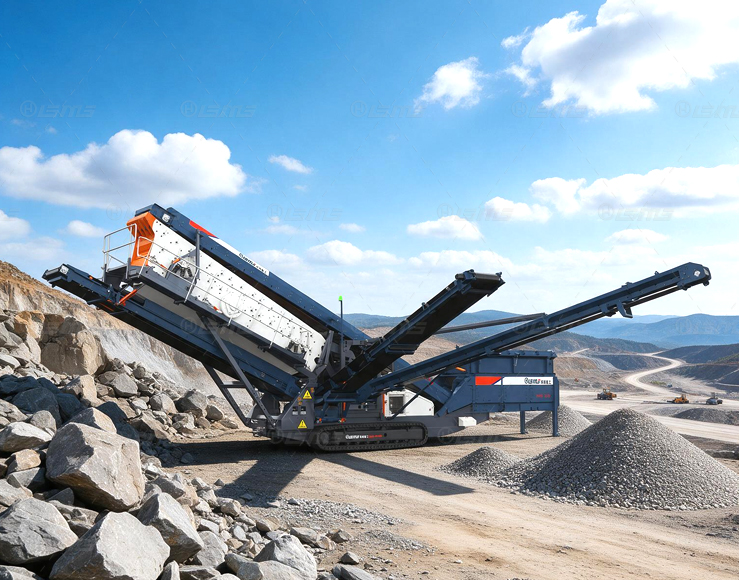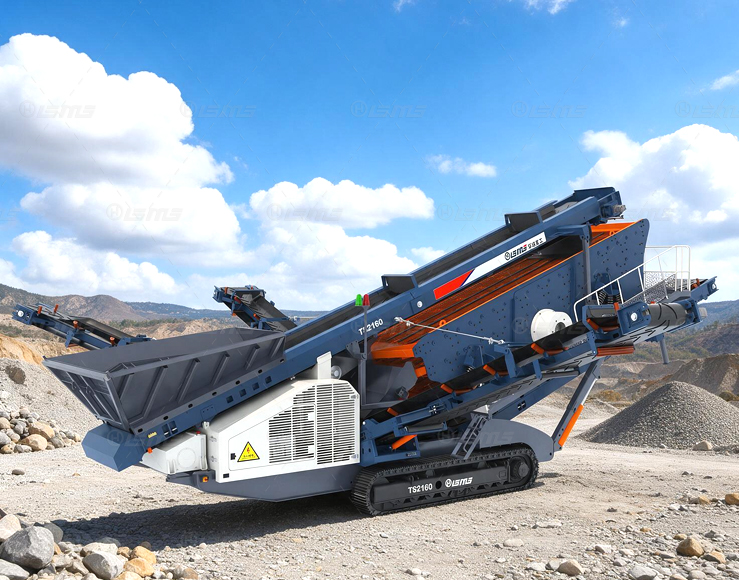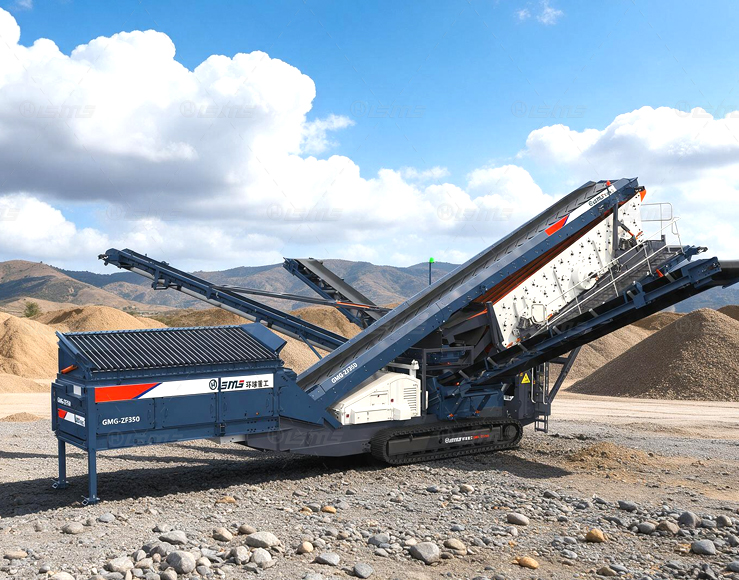
Track-Mounted Impact Crusher
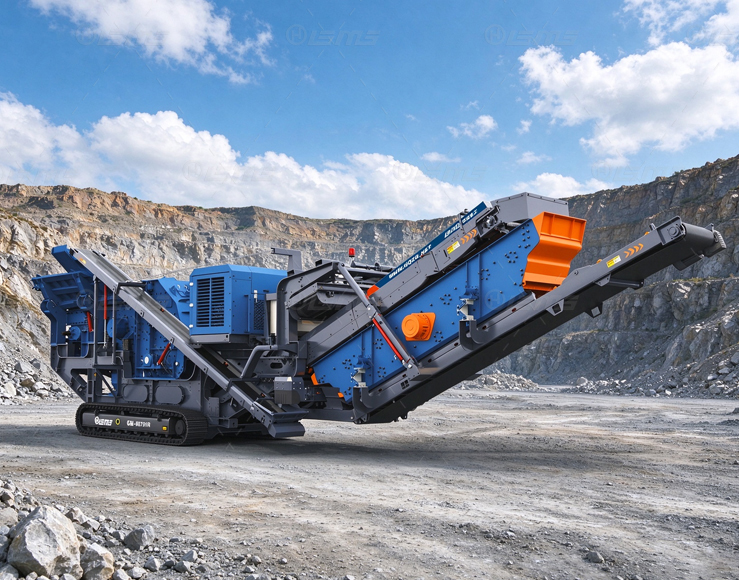
Feed size: 75-360mm
capacity: 50-300t/h
Max. Feeder Size(mm): <600
Raw Material: Limestone, Dolomite, Gypsum, Sandstone, Calcite, Coal, Concrete Blocks, Reinforced Concrete Structures, Demolition Masonry, Old Asphalt Pavement, Glass.
Overview of Track-Mounted Impact Crusher
High-Reduction Impact Crushing for Premium Cubical Aggregates and Rapid Recycling Operations.
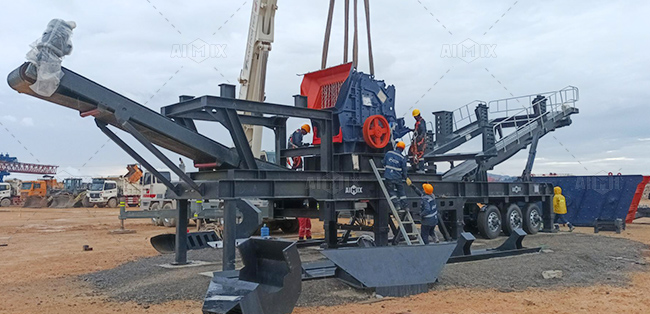
The Track-Mounted Impact Crusher (crawler mobile horizontal shaft impactor or HSI plant) is an exceptionally versatile, high-throughput processing station engineered for primary and secondary reduction. Built on a heavy-duty hydraulic crawler chassis for autonomous on-site mobility, this machine excels at shattering soft to medium-hard rock (such as limestone) and highly abrasive recycling materials like asphalt and reinforced concrete. Utilizing a heavy, high-inertia rotor equipped with premium blowbars, it strikes materials at extreme velocities, fracturing rocks along their natural cleavage planes. The result is a massive reduction ratio in a single pass and a perfectly cubical finished aggregate that commands premium market value.
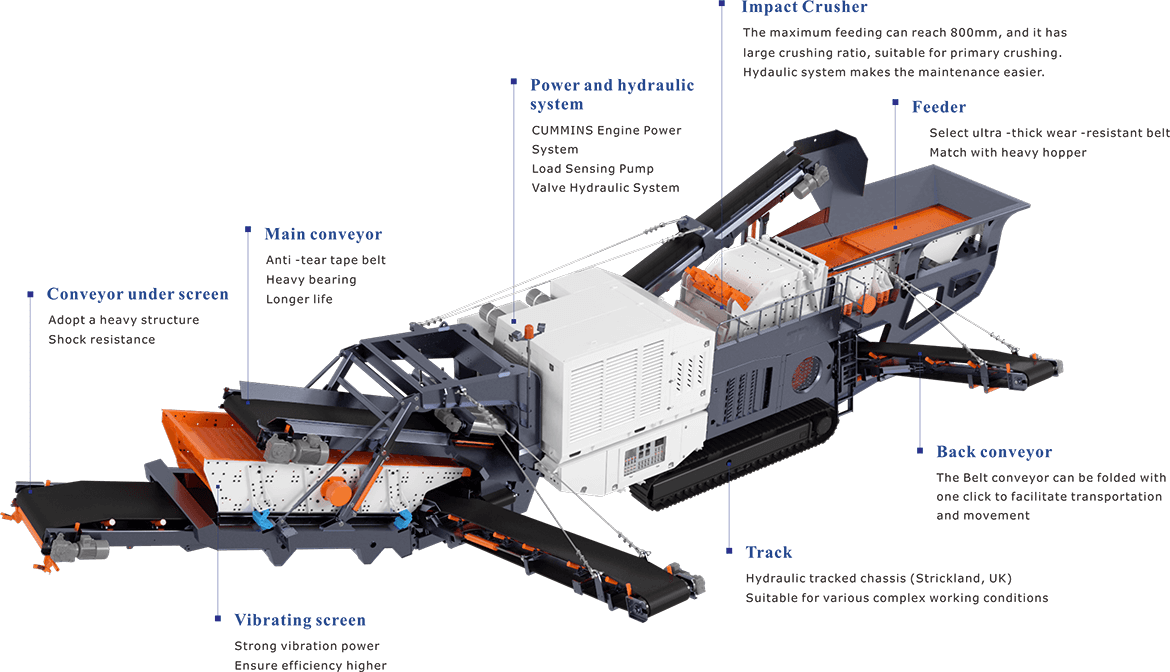
Structure of Track-Mounted Impact Crusher
Specifications of Track-Mounted Impact Crusher
| Impact Crusher Model | TF350 | TF250 | TF150 |
| Capacity Potential | 300-500tph | 200-400tph | 100-200tph |
| Inlet Opening | 1050×1700mm | 960mm×1360mm | 820mm×980mm |
| Max feeding size | 800mm | 700mm | 500mm |
| Operation weight | 70 tons | 65 tons | 45 tons |
| Generator | 500kW CUMMINS | 500kW CUMMINS | 300kW CUMMINS |
| Transport Dimensions | 19.822m×4.244m×4.193m | 16.863m×3.6m×4.1m | 13.45m×3.5m×4.0m |
| Working Dimensions | 21.439m×11.192m×4.832m | 20.42m×8.81m×4.8m | 17.2m×7.78m×3.85m |
FAQs
Choose an impact crusher if you are working with soft to medium rock (like limestone) or recycling materials and need a high reduction ratio with a perfectly cubical shape. Choose a cone crusher if you are working with highly abrasive, hard materials like granite or basalt, as cone liners tolerate high silica contents much better than impact blowbars.
The concrete blocks enter the impact chamber where the high-speed blowbars shatter the concrete clean away from the metal. The freed rebar passes under a specialized rubber deflector plate that straightens the metal out before it lands on the product belt, where a powerful over-belt magnet extracts it cleanly into a separate scrap pile.
This depends heavily on material hardness and cleanliness. When processing clean limestone, a set of blowbars can often process 20,000 to 40,000 tons before turning. When crushing highly contaminated urban demolition waste or concrete with high silica content, blowbars may need to be flipped or replaced every 10,000 to 15,000 tons to maintain cutting efficiency.