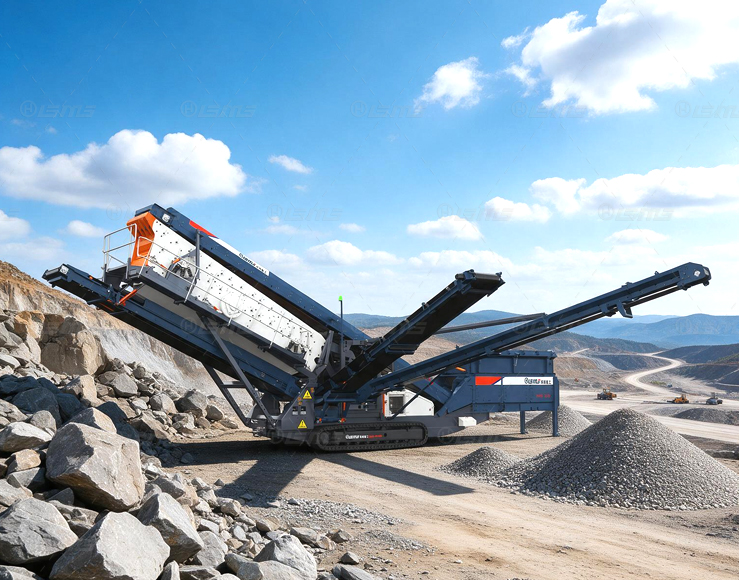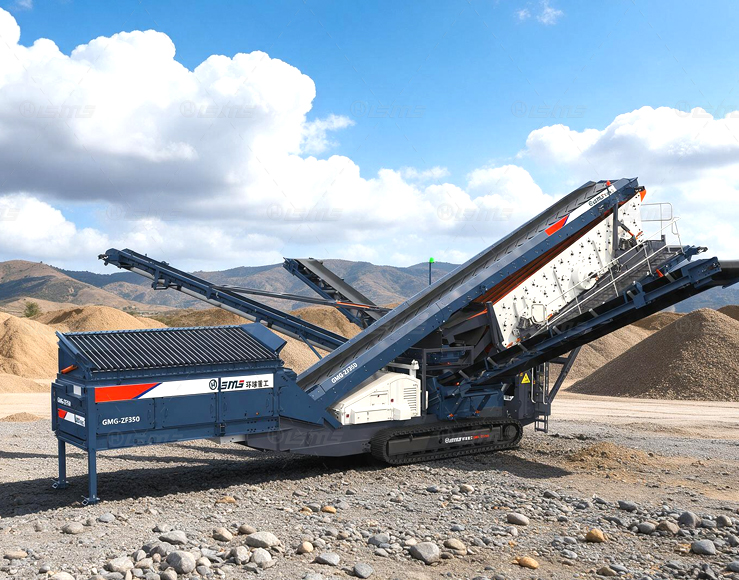
Track-Mounted Mobile Screening Plant
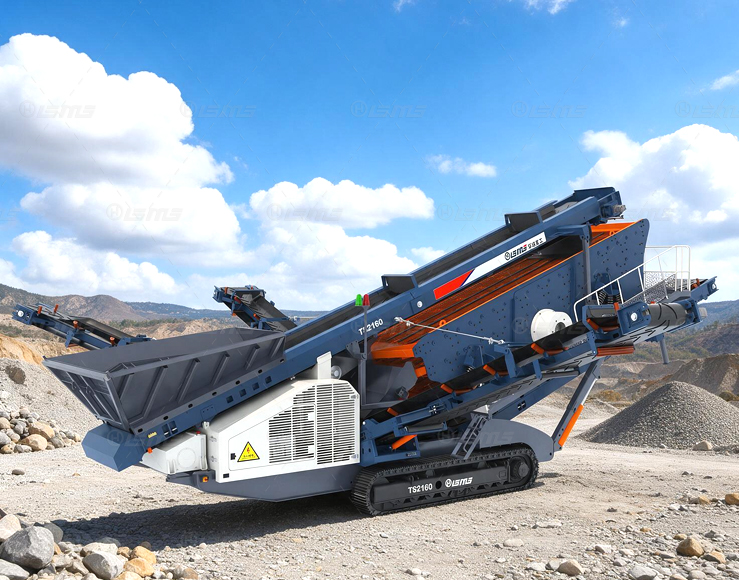
Capacity: ≤ 420 TPH
Max Feeding Size: 70-360 mm
Mesh Range: 3-100 mm
Raw Material: Grading treatment of finished aggregates, gravel, small-sized pebbles, small-sized tailings residues, etc.
Overview of Track-Mounted Mobile Screening Plant
High-Precision Multi-Product Classification and Maximum Stockpiling Efficiency on Dynamic Crawler Tracks.
The Track-Mounted Mobile Screening Plant (crawler portable screening station) is a high-throughput sorting powerhouse engineered for heavy-duty grading across aggregate quarries, mining pits, recycling centers, and topsoil operations. Built on an autonomous hydraulic crawler chassis for independent site mobility, this unit is designed to split materials into three or four sharply defined, high-value size fractions simultaneously. Whether working independently to clean natural gravel or operating in perfect synchronization downstream from mobile jaw, cone, or impact crushers, the track-mounted screen plant guarantees exceptional grading accuracy and high processing capacities to maximize profit-per-ton.
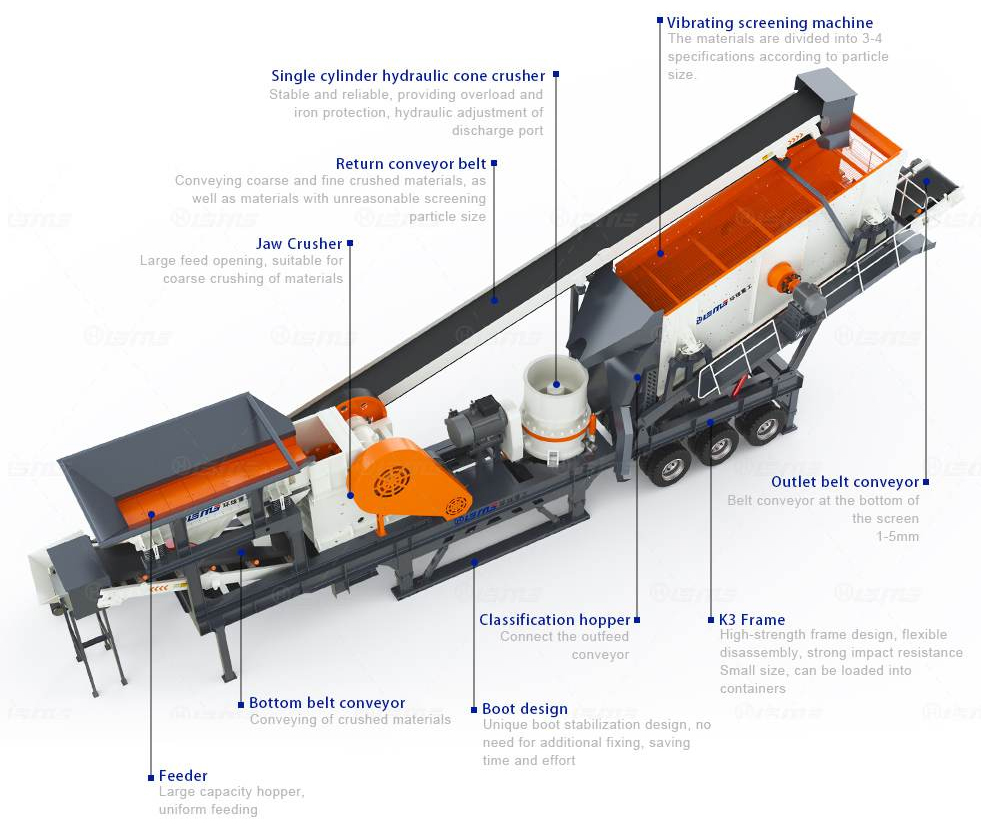
Structure of Track-Mounted Mobile Screening Plant
How to Choose a Track-Mounted Mobile Screening Plant
- Determine Your Feeding Grade Requirement: Choose a heavy-duty Scalper Screen (e.g., heavy fingers or punch plate decks) if you are feeding raw, muddy rock straight from a blasting face with huge boulder profiles. Choose a Finishing Screen if you are processing pre-crushed aggregate streams that require tight millimeter sorting tolerances.Evaluate Deck Count vs.
- Value Targets: Opt for a Double-Deck model if you only need three clean sizes (Oversize, Midsize, Fines). Step up to a Triple-Deck configuration if your local asphalt or concrete buyers demand four highly targeted, distinct fractional ranges from a single pass.
- Factor In Material Moisture Dynamics: If you regularly process damp, sticky materials like heavy clay soils or wet sand, ensure your mobile screen specification includes high-amplitude screen dynamics and an anti-blinding piano-wire or mesh brush setup.
- Verify Stockpiling Volume Capacity: Look at the maximum discharge height of the side conveyors. Higher discharge paths mean your loader operators don't have to constantly move material piles, saving fuel and operator hour costs.